The word “e-commerce” gets thrown around so casually that most guides skip the part where they actually explain it.
That’s a problem — because how you define e-commerce shapes every decision you’ll make about your business. The model you choose determines your startup cost, your risk level, your daily workload, how fast you can scale, and whether you’ll still be running the same operation five years from now or have pivoted into something completely different.
So before we talk about platforms, products, or marketing, let’s make sure the foundation is solid.
What E-commerce Actually Is
E-commerce — short for electronic commerce — is the buying and selling of goods or services over the internet. That definition is technically accurate and almost entirely useless, because it describes everything from a teenager selling sneakers on StockX to a multinational retailer processing ten million orders a month.
The more useful definition is this: e-commerce is any business model where the transaction between buyer and seller happens digitally — the browsing, the payment, the order confirmation, and increasingly, the product delivery itself.
What sets e-commerce apart from traditional retail isn’t just the channel. It’s the economics. A physical store is limited by geography, floor space, and opening hours. An online store has none of those constraints. It can sell to someone in a different country at 3am while the owner sleeps. That asymmetry between effort and reach is why e-commerce has grown from a niche experiment in the mid-1990s to a global market worth over $6 trillion annually — and still accelerating.
But the real insight for anyone starting out isn’t the size of the opportunity. It’s that “e-commerce” is not one thing. It’s a category that contains dozens of fundamentally different business models, each with its own risk profile, capital requirements, and growth ceiling. Choosing blindly between them is one of the most common and costly mistakes new sellers make.
The Business Model Landscape: What You’re Actually Choosing Between
When people say they want to “start an e-commerce business,” they usually have a vague image in their head — a website, products, customers buying things. What they haven’t decided yet is the structural model underneath that image. Here are the main ones worth understanding.
B2C (Business to Consumer)
The model most people picture when they think of e-commerce. A business sells products directly to individual customers. Amazon, Nike’s online store, your local restaurant’s delivery platform — all B2C.
This is the most competitive space in e-commerce, but also the largest market. Success depends heavily on brand differentiation, customer experience, and marketing efficiency. Getting a customer’s first purchase is expensive. Getting their second and third is where the economics improve dramatically.
B2B (Business to Business)
A business sells products or services to other businesses. This is the quieter, less glamorous side of e-commerce — and often the more profitable one.
B2B transactions tend to be larger in volume, more predictable in cadence, and stickier in relationship. A manufacturing company that becomes a business’s preferred supplier for raw materials doesn’t lose that customer to a flash sale on a competitor’s site. The sales cycle is longer, but lifetime customer value is substantially higher.
C2C (Consumer to Consumer)
Individuals selling directly to other individuals through a platform — eBay, Etsy, Vinted, Facebook Marketplace. The platform facilitates the transaction; the buyers and sellers are both regular people.
For many people, C2C is the entry point to e-commerce: selling things you no longer need, testing whether a handmade product has a market, or flipping thrifted items at a margin. It requires the least capital to start and carries the least risk, but the ceiling for scale is limited unless you evolve into a proper B2C operation.
D2C (Direct to Consumer)
A manufacturer or brand sells directly to end customers, bypassing wholesalers and retailers entirely. Glossier, Warby Parker, and Casper built their businesses on this model — owning the customer relationship rather than ceding it to Amazon or department stores.
D2C has structural advantages: higher margins, direct access to customer data, and full control over brand experience. The disadvantage is that you’re also responsible for every aspect of customer acquisition, which requires genuine marketing capability rather than the built-in traffic a marketplace provides.
The Fulfillment Question: Where Do the Products Actually Come From?
Separate from who you’re selling to is the question of how you fulfill orders. These two decisions interact, but they’re not the same thing.
Holding your own inventory means buying products wholesale (or manufacturing them yourself) and storing them until they’re sold. You control quality, packaging, and shipping speed. You also absorb the risk of inventory that doesn’t sell — which, for new sellers making their first product bets, is a real financial exposure.
Dropshipping means listing products you don’t own or hold. When a customer orders, you forward the order to a supplier who ships directly to them. Your margin is the difference between what you charged and what the supplier charges you. The capital requirement is minimal, but so is your control — over product quality, shipping time, and the customer experience that arrives at their door.
Print-on-demand is a variant of dropshipping where products (typically apparel, accessories, or home goods) are created at the time of order and shipped by the print provider. It’s popular for branded merchandise and creative products because there’s no minimum order quantity and no unsold stock. Margins are lower than wholesale, but the risk is close to zero.
Digital products — courses, templates, ebooks, software, fonts, stock photos — have the most favorable economics of any e-commerce model. The product is created once and sold indefinitely with no incremental cost per sale. Margins approach 100% after platform fees. The challenge is entirely on the demand side: creating something people want enough to pay for, and finding enough of them.
How an Online Store Actually Works (The Technical Reality)
This is the part most beginner guides skip because it feels boring. But understanding the mechanics of how a transaction flows through your store demystifies a lot of the setup process.
When a customer lands on your store and decides to buy something, here’s what happens in sequence:
1. Product discovery. They find your product page — through a search engine, a social media ad, or a direct link. The page renders from your e-commerce platform (Shopify, WooCommerce, BigCommerce, etc.), which is hosting your product catalog, pricing, and inventory levels.
2. Add to cart and checkout. The platform handles the cart logic and surfaces a checkout flow. At this point, you’re already relying on your platform doing its job — if checkout is slow or broken, you lose the sale.
3. Payment processing. The customer enters payment details. Those details are handled by a payment processor (Stripe, PayPal, Square, etc.) — not by you directly, which is why you don’t need a banking license to sell online. The processor verifies the payment, handles fraud screening, and transfers the funds to your merchant account, typically within two business days.
4. Order management. Your platform records the order, sends the customer a confirmation email, and decrements your inventory count. If you’re using a fulfillment app or third-party logistics provider, the order is also forwarded to them automatically.
5. Fulfillment and delivery. The physical product ships (or the digital file is delivered). The customer gets a tracking notification. If something goes wrong here — delayed shipping, damaged product, wrong item — this is where customer service begins.
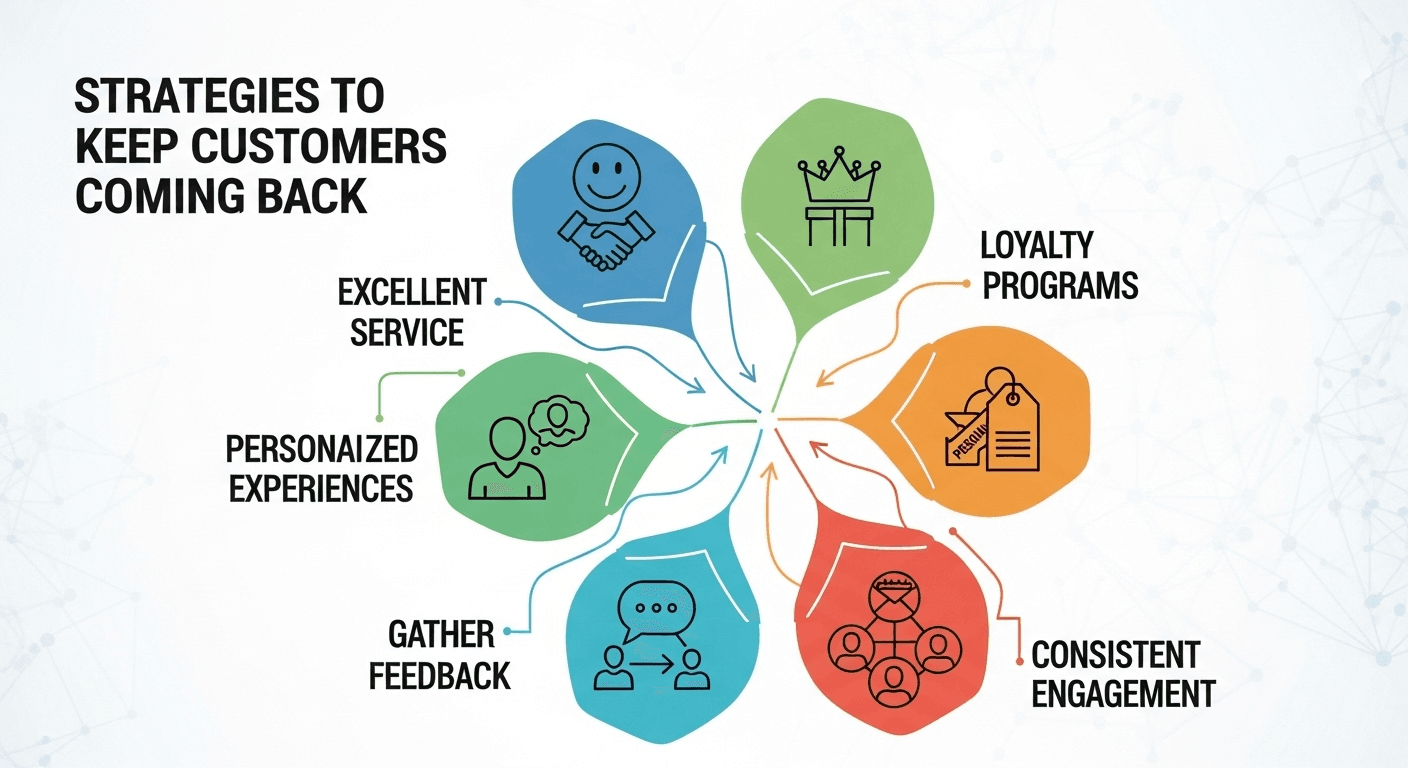
6. Post-purchase. The best e-commerce businesses treat this as the start of the customer relationship, not the end. Review requests, loyalty programs, upsell emails, and retargeting campaigns are all designed to convert a one-time buyer into a repeat customer — because repeat customers are dramatically more profitable than new ones.
The Platforms Worth Knowing in 2026
You don’t need to understand every e-commerce platform, but you should know the main ones and what they’re optimized for.
Shopify is the default choice for most direct-to-consumer brands starting from scratch. It’s fast to set up, handles hosting and security for you, has an enormous app ecosystem, and its checkout is among the highest-converting available. Monthly fees start around $39, plus transaction fees unless you use Shopify Payments. Best for: brands selling physical products who want to move fast without thinking much about infrastructure.
WooCommerce is a free plugin for WordPress. The platform itself costs nothing; you pay for hosting, a domain, and any premium extensions you need. It offers far more customization than Shopify and no transaction fees, but you own more of the responsibility for setup and maintenance. Best for: businesses that already have a WordPress site, or sellers who need heavy customization and have some technical tolerance.
Etsy and Amazon are marketplaces rather than owned storefronts. You’re selling on their platform to their audience — which gives you immediate access to millions of shoppers without building your own traffic. The trade-off is substantial: high fees, no ownership of the customer relationship, and vulnerability to platform policy changes. Best for: early-stage sellers who want to validate a product before investing in their own store.
Gumroad and Lemon Squeezy are purpose-built for digital products. If you’re selling a course, a template pack, or software, these platforms handle payments, delivery, and international tax compliance with minimal setup. Best for: creators, educators, and developers selling digital goods.
How to Choose the Right Model for You
There’s no universally correct e-commerce model. The right one depends on three variables that are unique to your situation:
Capital available. Inventory-based models require upfront investment. Dropshipping and digital products don’t. If you’re starting with limited capital, the asset-light models let you learn without risking money you can’t afford to lose.
Time available. A print-on-demand store can be set up in a weekend and runs largely on autopilot once live. A B2B operation with custom inventory requires ongoing relationship management and logistics coordination. Be honest about how many hours per week you can actually dedicate.
What you want to build long-term. If the goal is a lifestyle business that covers your expenses, a well-chosen niche store with good margins might be exactly right. If you want to build a brand with real equity — something you could eventually sell — you need customer data, repeat purchase rates, and an audience you own. That points toward D2C with your own storefront, not a marketplace dependency.
The most common mistake new sellers make is optimizing for the easiest starting point without thinking about where it leads. Dropshipping is easy to start. It’s also a commoditized, margin-compressed model that’s extremely difficult to build into a durable brand. That’s not a reason to avoid it — it’s a reason to be clear-eyed about what you’re building and where you want to end up.
The Bottom Line
E-commerce in 2026 is neither as easy as the get-rich-quick crowd implies nor as difficult as the traditional retail establishment wishes it were. It’s a mature, competitive channel with real opportunities — for the people who choose their model thoughtfully, build their store properly, and treat customer experience as their primary competitive advantage rather than an afterthought.
The businesses winning in e-commerce right now are not the ones with the biggest ad budgets or the cleverest product ideas. They’re the ones who understand their model deeply enough to make good decisions every week — about pricing, fulfillment, marketing, and the customer experience that keeps people coming back.
That understanding starts here. The next step is picking a model, choosing a platform, and building something real.
Up next: Shopify vs WooCommerce 2026 — an honest comparison of the two most popular e-commerce platforms, with a clear recommendation for different types of sellers.